






Oil Change Myths: What Every Dodge Owner Needs to Know
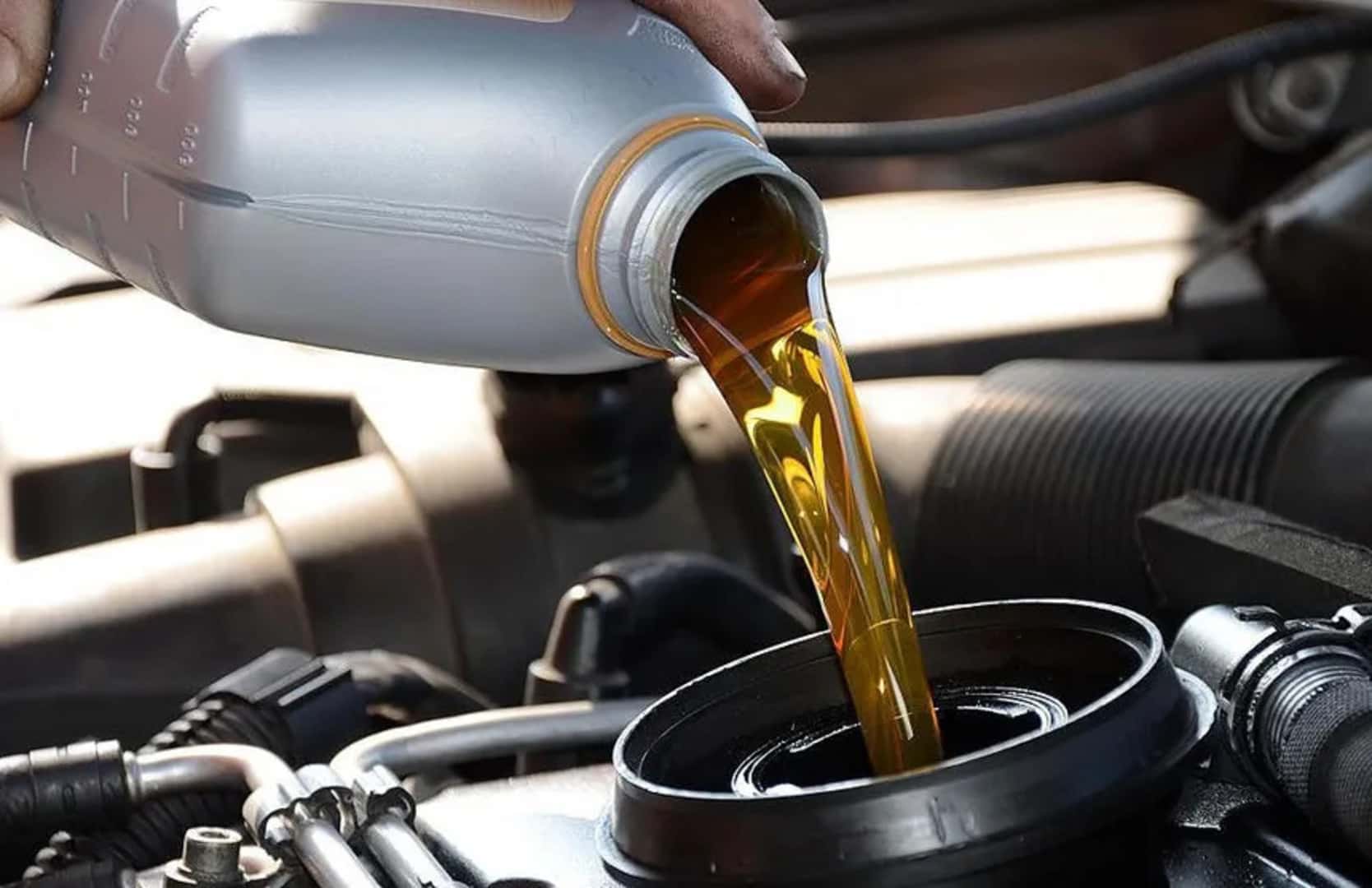
Oil changes are the most basic maintenance service your Dodge needs, yet they’re surrounded by more myths, misconceptions, and outdated advice than perhaps any other automotive topic. Whether you drive a Ram truck hauling loads around Warren County, a Durango transporting your family through Kentucky seasons, or a Charger delivering HEMI performance on every drive, understanding the truth about oil changes helps you protect your engine and avoid both unnecessary services and dangerous neglect.
The confusion is understandable. Oil change recommendations have evolved significantly over the past few decades as engine technology, oil formulations, and driving conditions have changed. Advice that was accurate in 1995 might be dangerously wrong for a 2024 Dodge. Meanwhile, quick-lube chains, well-meaning relatives, and internet forums all offer conflicting information that leaves owners uncertain about what their vehicles actually need.
The stakes are high. Change oil too frequently and you waste money on unnecessary services. Wait too long and you risk engine damage that can cost thousands to repair. Using wrong oil can cause problems ranging from reduced efficiency to accelerated wear. Understanding what’s myth and what’s fact helps you make informed decisions about one of the most important maintenance items your Dodge requires.
Whether you’re new to Dodge ownership or have been driving these vehicles for years, separating truth from fiction about oil changes ensures your engine receives the protection it needs without unnecessary expense or worry.
Myth 1: You Must Change Oil Every 3,000 Miles
This is perhaps the most persistent oil change myth, rooted in outdated recommendations from decades ago.
The Reality 🛢️
The 3,000-mile oil change interval made sense in the 1970s and 1980s when conventional oils and engine designs were less advanced. Modern synthetic oils and improved engine technology have dramatically extended appropriate service intervals.
Most current Dodge vehicles recommend oil changes every 5,000-8,000 miles depending on engine type and driving conditions. Some models with advanced synthetic oils suggest even longer intervals. The 3,000-mile recommendation is outdated for modern vehicles and wastes money on unnecessary services.
When 3,000 Miles Makes Sense
That said, extremely severe conditions might warrant 3,000-4,000 mile intervals: extensive idling (police vehicles, delivery vehicles), very frequent short trips in cold weather, racing or track use, or operating in extremely dusty environments. But these are exceptions, not the rule for typical driving.
Myth 2: Synthetic Oil Is Just Marketing Hype
Some drivers believe synthetic oil is unnecessary and that conventional oil works just as well, with the price difference being pure profit for oil companies.
The Reality
Synthetic oil represents genuine technological advancement with measurable benefits. It’s engineered at the molecular level for specific performance characteristics rather than refined from crude oil.
Synthetic oil flows better at cold temperatures, providing faster lubrication during cold starts. It resists breakdown at high temperatures better than conventional oil. It maintains viscosity across wider temperature ranges. It contains fewer impurities that can cause deposits and sludge.
Modern Engine Requirements ⚙️
Many Dodge engines, particularly HEMI V8s, turbocharged engines, and high-performance models, require synthetic oil. Using conventional oil in engines designed for synthetic can cause problems including increased wear, deposits, and reduced performance.
Check your owner’s manual. If it specifies synthetic oil, that’s not a suggestion, it’s a requirement. Using wrong oil can void warranty coverage and cause long-term engine damage.
Myth 3: You Can Tell When Oil Needs Changing by Color
Many people believe that dark oil is “dirty” and needs immediate changing, while clean-looking oil is still good.
The Reality
Oil color is a poor indicator of oil condition. Engine oil darkens quickly from combustion byproducts, which is actually evidence the oil is doing its job of cleaning and suspending contaminants.
Brand new oil poured into an engine will turn dark within a few hundred miles of normal operation. This is normal and expected. Dark oil isn’t necessarily bad oil, and relatively clean-looking oil might still be degraded and need changing.
What Actually Matters 🔬
Oil condition depends on factors color doesn’t reveal: remaining additive package, viscosity maintenance, acid content, and contamination levels. These require laboratory analysis to measure accurately.
For most owners, following mileage-based service intervals is far more reliable than trying to judge oil condition by appearance. Your owner’s manual provides appropriate intervals based on engineering and testing.
Myth 4: Oil Additives Extend Change Intervals
Aftermarket oil additives promising extended intervals, improved performance, or engine rejuvenation are heavily marketed but often unnecessary or even harmful.
The Reality
Quality motor oil already contains a sophisticated additive package engineered specifically for modern engines. These additives handle lubrication, cleaning, corrosion protection, and viscosity maintenance.
Adding aftermarket products can upset this carefully balanced chemistry, potentially causing problems rather than improvements. Most manufacturers explicitly warn against using additives, and some void warranty coverage if additive use causes damage.
When Additives Might Help
The exception is specific additives recommended by vehicle manufacturers for particular problems, like friction modifiers for certain transmissions. But these are specific, targeted solutions, not general-purpose magic elixirs.
For oil changes, stick with quality oil meeting your Dodge’s specifications. The additive package in good oil is all your engine needs.
Myth 5: Changing Oil More Often Is Better
If recommended intervals are good, more frequent changes must be better, right? Not necessarily.
The Reality 💰
While changing oil slightly more often than necessary isn’t harmful (except to your wallet), there’s a point where additional frequency provides no benefit. Changing oil every 2,000 miles when your engine calls for 5,000-mile intervals doesn’t provide additional protection, it just wastes money and oil.
Modern oils are engineered to maintain protective properties for specific durations and mileages. Fresh oil doesn’t necessarily protect better than oil at 3,000 miles if the oil is rated for 7,500-mile service.
The Balanced Approach
Follow manufacturer recommendations for normal driving, or shift to the severe service schedule if your driving matches those criteria. This provides optimal protection without unnecessary expense.
Myth 6: All Oils Are Basically the Same
Some believe that as long as the viscosity matches (5W-30, 10W-30, etc.), any oil will work fine regardless of brand or specifications.
The Reality
Viscosity is just one specification. Modern engines require oils meeting specific performance standards designated by codes like API SN, ILSAC GF-6, or manufacturer-specific certifications.
These standards address issues like oxidation resistance, deposit control, fuel economy, and emission system compatibility. Oil that meets your engine’s viscosity requirement but not its performance standards can cause problems over time.
Dodge-Specific Requirements 🔧
Check your owner’s manual for required oil specifications. Using oil that meets these exact specifications ensures your engine receives proper protection and maintains warranty coverage.
Brand matters less than meeting specifications, but quality brands have better quality control ensuring consistency between bottles. Extremely cheap oil might not consistently meet claimed specifications.
Myth 7: Synthetic Oil Causes Leaks in Older Engines
This persistent myth claims that switching to synthetic oil in older engines will cause leaks by “cleaning out” deposits that were sealing worn gaskets.
The Reality
Synthetic oil doesn’t cause leaks. If leaks appear after switching to synthetic, those seals were already failing, and the leak would have appeared eventually regardless of oil type.
What sometimes happens is that synthetic oil’s superior cleaning properties remove deposits and sludge, which might have been masking existing seal deterioration. The oil didn’t cause the problem, it revealed a problem that already existed.
Benefits for Older Engines
Synthetic oil can actually benefit older engines by providing better protection, particularly during cold starts. Its superior flow characteristics ensure faster lubrication of critical components when starting in cold Kentucky mornings.
What Every Dodge Owner Should Actually Do
Now that we’ve addressed myths, here’s practical advice based on facts and engineering.
Follow Your Owner’s Manual
Your owner’s manual contains oil change intervals, oil specifications, and guidance on severe service conditions determined by engineers who designed your engine. This is your most reliable source of information.
Understand Severe Service 🚗
Severe service includes: frequent short trips (less than 10 miles), extensive idling, towing or hauling, dusty conditions, extreme temperatures, or stop-and-go traffic. Much of Bowling Green-area driving qualifies as severe service.
If your driving matches any severe service criteria, follow the severe service maintenance schedule, typically requiring more frequent oil changes than normal service.
Use Correct Oil Specifications
Use oil meeting the exact specifications listed in your owner’s manual. The viscosity (5W-20, 5W-30, etc.) and performance standards (API, ILSAC) both matter. Modern Dodge engines often require specific oils, particularly HEMI and turbocharged engines.
Consider Your Climate
Kentucky experiences temperature extremes from summer heat to winter cold. Oil must flow properly in cold weather and protect in hot weather. Synthetic oil handles this temperature range better than conventional oil.
Keep Records
Document all oil changes with dates, mileage, and oil type used. This proves maintenance for warranty claims and increases resale value.
How Kentucky Driving Affects Oil Change Needs
Bowling Green’s location and typical driving patterns create conditions affecting oil change requirements.
Temperature Extremes ❄️☀️
Kentucky summers bring heat and humidity. Winters deliver genuine cold with occasional snow and ice. These extremes stress engine oil more than moderate climates do.
Cold starts in winter are particularly demanding. Until the engine warms up and oil circulates fully, wear rates are higher. Short trips where the engine never fully warms up mean the oil never reaches optimal operating temperature, allowing moisture and fuel contamination to accumulate.
Rural and Highway Mix
Many Warren County residents mix highway driving with rural roads. Dusty rural roads introduce more contaminants that the oil must suspend and remove. This qualifies as severe service warranting more frequent oil changes.
Towing and Hauling
If you tow with your Ram or haul heavy loads in your Durango, your engine works harder and generates more heat. This stresses oil beyond normal driving, placing you firmly in severe service territory.
Stop-and-Go Traffic
Traffic congestion around Bowling Green, particularly during university periods when Western Kentucky University is in session, means more stop-and-go driving. This generates more engine heat and cycles than steady cruising, another severe service factor.
The Real Cost of Oil Changes
Understanding actual costs helps put oil change frequency decisions in perspective.
Service Costs
Conventional oil changes typically cost $40-60. Synthetic oil changes cost $70-120 depending on oil capacity and quality. Higher-capacity engines (HEMI V8s) require more oil, increasing cost.
Value of Protection 💰
Compare these costs to engine repairs or replacement. Even the most expensive synthetic oil change costs less than one percent of what engine damage from oil neglect could cost. Major engine work easily exceeds $5,000-10,000.
The False Economy
Trying to save money by extending oil changes beyond appropriate intervals or using cheaper, incorrect oil is false economy. The potential savings (maybe $50-100 annually) is minuscule compared to the thousands at risk if engine damage results.
Local Expert Perspective
“The biggest oil change myth I hear is that you can skip changes because modern oils last forever,” says Sarah Mitchell, certified technician at the Scottsville Road location. “Yes, oils have improved dramatically, but they still break down. I’ve seen engines with 15,000 miles on the oil come in for other service, and the oil is black sludge. Those engines are developing internal wear that will eventually require expensive repairs.”
She continues, “The other thing is people using wrong oil to save money. A customer came in with a HEMI that required 0W-40 synthetic but had been using conventional 10W-30 because it was cheaper. The engine had developed deposits and was down on power. Fixing it cost more than ten years of proper oil changes would have. Cheap oil isn’t cheap if it damages your engine.”
Making Smart Oil Change Decisions
Here’s a practical decision framework for your Dodge’s oil changes.
Start with the Manual 📖
Your owner’s manual is the foundation. It tells you recommended intervals, required oil specifications, and what qualifies as severe service.
Assess Your Driving Honestly
Be realistic about how you use your vehicle. If any aspect of your driving matches severe service criteria, follow the severe service schedule.
Choose Quality Oil
Use oil meeting your engine’s exact specifications from reputable brands. The price difference between adequate oil and excellent oil is small compared to the engine’s value.
Maintain Consistent Intervals
Whatever interval you choose, stick to it consistently. Irregular maintenance where you sometimes wait 5,000 miles and sometimes 10,000 miles is worse than consistently following either interval.
Don’t Believe Internet Myths
Forums and social media are full of opinions, many uninformed. Trust engineering over anecdotes.
Protecting Your Investment
Your Dodge’s engine is expensive and sophisticated. Proper oil change practices protect this investment and ensure years of reliable performance.
The myths surrounding oil changes often lead to either unnecessary expense or dangerous neglect. Understanding the facts helps you provide appropriate care without waste or worry.
Kentucky’s climate and typical driving conditions mean most owners experience some severe service factors. Acknowledging this and adjusting maintenance accordingly provides the protection modern Dodge engines need to deliver their impressive performance and reliability over many years and miles.
Schedule Your Oil Change Today ✅
Don’t let myths and misinformation influence your Dodge’s maintenance. Professional service using correct oil on appropriate intervals provides the protection your engine needs without unnecessary frequency or expense.
Whether you’re due for service, uncertain about what oil your Dodge needs, or want to establish a proper oil change schedule based on your actual driving conditions, experienced technicians can provide guidance and service that keeps your engine running strong.
Schedule your oil change appointment today at 2209 Scottsville Rd in Bowling Green, or call to discuss your Dodge’s specific oil requirements with a service advisor who understands modern engine needs. Because the best oil change strategy is one based on facts and engineering, not myths and misconceptions.

0 comment(s) so far on Oil Change Myths: What Every Dodge Owner Needs to Know