





Signs Your Dodge Needs a Transmission Check-Up
You’re cruising down Scottsville Road in your Dodge Charger when suddenly it hesitates during acceleration, almost like it can’t decide which gear it wants. Your heart sinks a little because you know transmission problems can mean serious money. The good news? Catching transmission issues early can save you thousands of dollars and prevent you from being stranded on I-65 during your next trip to Nashville or Louisville 🚗.
For Bowling Green drivers who depend on their Dodge vehicles for everything from daily WKU campus commutes to weekend adventures in Mammoth Cave, recognizing transmission warning signs early is crucial. Kentucky’s rolling hills and varying terrain put unique demands on your transmission that make regular attention essential.
Understanding Your Dodge Transmission System
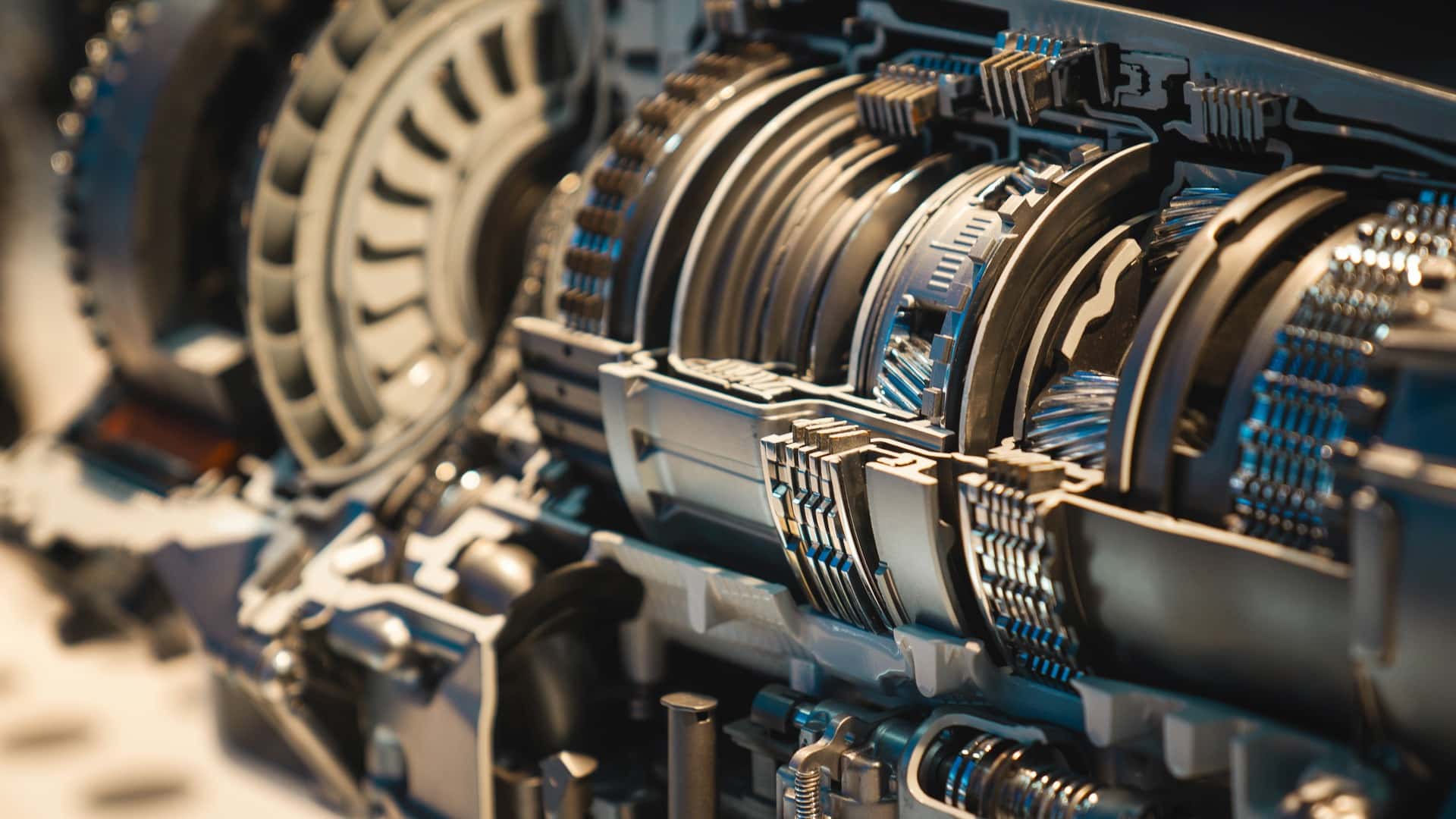
Modern Dodge vehicles feature sophisticated transmission systems designed to handle everything from city driving around Fountain Square Park to highway cruising through Kentucky’s scenic countryside. Whether your Dodge has a traditional automatic, CVT, or eight-speed automatic, these systems rely on precise hydraulic pressure, electronic controls, and clean fluid to operate smoothly.
Your transmission works harder than you might realize, especially in Bowling Green’s mixed driving conditions. Stop-and-go traffic around campus, steep hills leading to downtown, and temperature variations from humid summers to chilly winters all stress transmission components over time 📱.
Early Warning Signs to Watch For
Transmission problems rarely appear overnight. Instead, they typically announce themselves through subtle changes in how your Dodge behaves during normal driving. Learning to recognize these early signals can mean the difference between a simple service and a major repair bill.
Shifting Hesitation and Delays
The most common early sign of transmission trouble is hesitation during gear changes. You might notice your Dodge pausing a beat too long when accelerating from a stop at the intersection of US-31W and Campbell Lane, or feeling uncertain about which gear to select during highway merging.
This hesitation often starts intermittently maybe only when the transmission is cold on those foggy Kentucky mornings, or after sitting in traffic near the mall. Don’t ignore these subtle changes; they’re your transmission’s way of asking for attention.
Unusual Sounds and Vibrations
A healthy transmission operates almost silently. If you’re hearing grinding, whining, or humming noises that seem to come from underneath your Dodge, your transmission might be crying for help ☀️. These sounds often become more noticeable during acceleration or when climbing the hills around Lost River Cave.
Vibrations felt through the steering wheel or seat during acceleration can also indicate transmission issues, particularly in CVT-equipped Dodge vehicles.
Fluid-Related Warning Signs
Transmission fluid serves as both lubricant and hydraulic medium in your Dodge’s transmission system. When this fluid degrades or leaks, problems develop quickly.
Checking Fluid Color and Consistency
Healthy transmission fluid appears bright red and feels slick between your fingers. If you notice fluid under your Dodge that’s dark brown, black, or has a burnt smell, your transmission is likely overheating and breaking down its own fluid.
You might discover these leaks in your driveway, or notice spots in parking lots around town. Even small leaks deserve immediate attention, as transmission systems require precise fluid levels to function properly.
Low Fluid Level Symptoms
Low transmission fluid creates several noticeable symptoms:
- Slipping gears during acceleration or hill climbing
- Hard shifting that feels jerky or abrupt
- Delayed engagement when shifting from park to drive
- Overheating indicated by dashboard warning lights
- Complete loss of power in severe cases
Electronic System Warning Signs
Modern Dodge transmissions rely heavily on electronic controls that monitor dozens of sensors and make split-second adjustments. When these systems malfunction, your Dodge will usually provide clear warning signals.
Dashboard Indicators and Warning Lights
The check engine light often illuminates when transmission-related sensors detect problems. Don’t assume it’s just an emissions issue, transmission problems frequently trigger this warning. Some Dodge models also feature dedicated transmission temperature warnings that appear when the system overheats during demanding driving conditions.
Your Dodge’s computer system stores diagnostic codes that trained technicians can retrieve, providing specific information about which components need attention.
Limp Mode Protection
When your Dodge’s transmission computer detects serious problems, it may activate “limp mode” , a protective feature that limits power and keeps the transmission in a single gear. While this prevents catastrophic damage, it also means you need immediate professional attention 🛣️.
Limp mode typically allows you to drive slowly to safety, but continuing to operate your vehicle in this condition can cause permanent damage.
Performance Changes During Daily Driving
Pay attention to how your Dodge feels during routine activities around Bowling Green. Changes in performance often signal developing transmission problems before they become severe.
Highway Driving Symptoms
During trips on the Natcher Parkway or I-65, notice if your Dodge struggles to maintain speed on hills, seems to search for the right gear, or experiences RPM fluctuations without corresponding speed changes. These symptoms often appear first during highway driving when the transmission works hardest.
City Driving Warning Signs
In town driving presents its own set of transmission challenges. Notice if your Dodge hesitates when pulling away from traffic lights, jerks during low-speed maneuvering in parking lots, or seems reluctant to downshift when you need quick acceleration for merging.
Temperature-Related Issues
Kentucky’s climate extremes can reveal transmission problems that might otherwise remain hidden. Cold mornings might make shifting feel sluggish until everything warms up, while hot summer afternoons can trigger overheating in transmissions with marginal cooling systems.
If your Dodge performs differently in various weather conditions, transmission service might be needed to address fluid degradation or cooling system issues.
Expert Insight from Martin Dodge Jeep Chrysler Ram
“I tell customers that their transmission talks to them every day — they just need to learn the language,” says Sarah Mitchell, ASE-certified transmission specialist at Martin Dodge Jeep Chrysler Ram with over 12 years of experience. “A transmission that shifts perfectly smooth one day and hesitates the next is sending a message. The earlier we can diagnose and address these issues, the better the outcome for both the vehicle and the owner’s wallet.”
When to Seek Professional Diagnosis
Some transmission symptoms require immediate professional attention, while others allow time for planning and scheduling. Understanding the difference helps you make informed decisions about your Dodge’s care.
Immediate attention is needed if you experience complete loss of forward or reverse gears, severe slipping that prevents normal driving, burning odors, or excessive fluid leaks. These symptoms indicate problems that can worsen rapidly and potentially leave you stranded.
For less severe symptoms like occasional hesitation or minor shifting irregularities, schedule service within a few weeks to prevent progression to more serious issues.
Recognizing transmission warning signs early protects both your safety and your investment in your Dodge vehicle 📋. Modern transmission systems are sophisticated and generally reliable, but they require attention when problems develop to prevent expensive failures.
Don’t wait until transmission problems leave you stranded or require major repairs. Visit Martin Dodge Jeep Chrysler Ram at 2209 Scottsville Rd for expert transmission diagnosis and service. Our certified technicians use factory-approved diagnostic equipment and genuine Mopar parts to keep your Dodge running smoothly on Kentucky’s roads. Call today to schedule your transmission check-up and drive with confidence.

0 comment(s) so far on Signs Your Dodge Needs a Transmission Check-Up