





Why Regular Brake Inspections and Changes Are Essential for Your Safety
Keeping your brakes in top shape is key to vehicle safety and overall driving experience. Brake inspections and replacements are not just suggestions but part of vehicle maintenance. This article explains why brake inspections and replacements are important and how they contribute to a safer driving environment.
Brake Inspections
Brakes are the life of your vehicle. They stop your vehicle and keep it stable while driving. Regular brake inspections catch problems before they become major, and costly to repair and most importantly, keep you safe on the road.
Brake Components
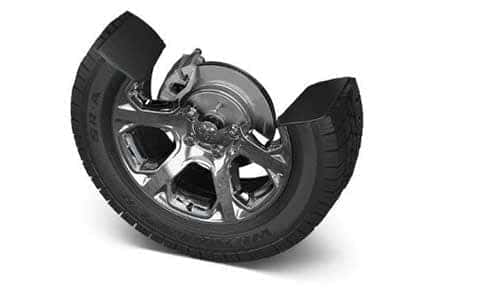
The braking system has several parts: brake pads, rotors, calipers, and brake fluid. Each part plays a big role in the braking process. Brake pads provide the friction to slow down or stop the vehicle. Rotors attached to the wheel work with the brake pads to produce the stopping force.
Calipers squeeze the brake pads against the rotors and brake fluid transmits the force from the brake pedal to the calipers.
Signs of Brake Issues
Signs that you need to have your brakes inspected or replaced are squeaking or grinding noises, soft or spongy brake pedal, vibration or pulsation during braking, and a warning light on the dashboard. If you experience any of these symptoms, you need to have your brakes inspected right away.
Brake Inspection Process
A full brake inspection involves several steps to ensure all parts are working properly and to find any potential problems. Here’s what to expect during a brake inspection at Martin Dodge Jeep Chrysler.
- Visual Inspection
The first step in a brake inspection is a visual check of the brake components. Technicians check the brake pads for wear, rotors for scoring or warping, and calipers and brake lines for condition. A visual inspection gives you an idea of the overall condition of the braking system.
- Measuring Brake Pad Thickness
Brake pads wear out due to friction. Technicians use special tools to measure the thickness of the brake pads. Most manufacturers recommend replacing brake pads when they reach 3 to 4 mm. If the pads are below that, they need to be replaced.
- Rotor Check
The condition of the rotors is key to braking. Technicians check the rotors for damage such as grooves or cracks and measure their thickness. If the rotors are too thin or warped, they may need to be resurfaced or replaced.
- Brake Fluid Check
Brake fluid is the life of the braking system. Technicians check the brake fluid level and condition. Over time brake fluid can absorb moisture which can reduce its effectiveness. If the brake fluid is dirty or low, it will be replaced to ensure optimal performance.
- Test Drive
A test drive allows technicians to test the brakes under real driving conditions. They test the brake response, listen for any unusual noises, and check for any vibration or pulsation. This step is important to find problems that may not be visible during a static inspection.
Brake Replacement Process
When brake parts are found to be worn out or damaged, replacement is critical to safety. Here’s what to expect during a brake replacement at Martin Dodge Jeep Chrysler.
- Remove the Wheel
To access the brake components the technician will remove the wheel. This gives a clear view of the brake assembly and allows for a detailed inspection and replacement process.
- Replace the Brake Pads
If the brake pads are worn out, they will be replaced. The old pads are removed from the calipers and new ones are installed. The technician makes sure the new pads are properly seated and makes full contact with the rotors.
- Rotor Resurfacing or Replacement
Depending on the condition of the rotors they may need to be resurfaced or replaced. Resurfacing is the process of grinding the rotors to remove imperfections and make a smooth surface. If the rotors are too damaged they will be replaced with new ones.
- Caliper Inspection and Service
The calipers are checked for damage or leaks. If needed they will be cleaned and serviced. In some cases, calipers may need to be replaced if they’re not working properly.
- Replace the Brake Fluid
If the brake fluid is dirty or low it will be replaced with new fluid. This will ensure the braking system works properly and the brake pedal feels as expected.
- Reassemble and Test
Once all parts are replaced or serviced the technician will reassemble the brake system, put the wheel back on, and test drive the vehicle. This will ensure the new parts are working and the vehicle is safe to drive.
Commitment to Quality
At Martin Dodge Jeep Chrysler we’re committed to using only the best products and doing a thorough inspection. We have certified technicians using the latest technology to make sure every part of the brake system is inspected and serviced to the highest standards. We use quality parts and fluids to ensure the longevity and performance of the brake system.
Regular brake inspections and replacements are key to vehicle safety and a smooth driving experience. By following the recommended maintenance schedule and addressing any issues promptly you’ll have peace of mind knowing your brakes are in top shape.

0 comment(s) so far on Why Regular Brake Inspections and Changes Are Essential for Your Safety