





Winterizing Your Ram or Jeep for Kentucky Driving Conditions
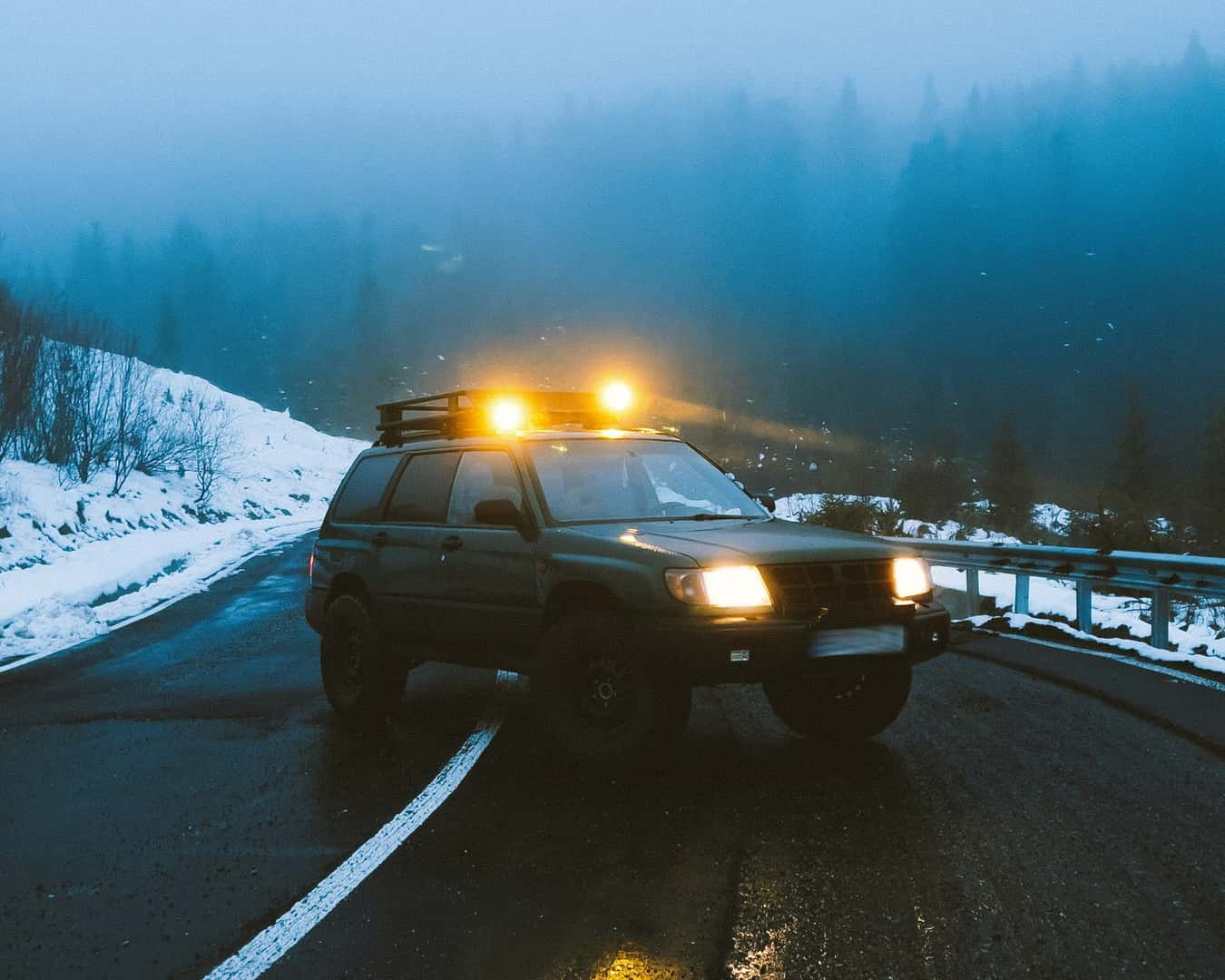
Kentucky winters present a unique blend of challenges that demand proper vehicle preparation. Unlike the consistent deep freeze of northern states or the predictable mild conditions of the deep south, Bowling Green and south-central Kentucky experience unpredictable weather that can shift from 50-degree sunshine to icy roads within hours. Your Ram truck or Jeep needs to be ready for this variability, handling everything from freezing rain on Scottsville Road to sudden snow squalls on I-65.
Here’s what makes Kentucky winters particularly demanding: the frequent freeze-thaw cycles stress vehicle systems more than consistent cold. Roads alternate between dry pavement and ice-covered surfaces. One day you’re driving in a t-shirt with windows down; the next morning there’s frost on your windshield and black ice on bridges. Your Ram or Jeep must perform reliably across this entire spectrum, which requires more comprehensive winterization than vehicles in more predictable climates.
Whether you use your Ram 1500 for work around Warren County, take your Wrangler off-roading through Barren River Lake trails, or depend on your Grand Cherokee for family transportation through whatever weather arrives, proper winterization ensures your vehicle starts reliably, operates safely, and avoids weather-related breakdowns. This article provides a comprehensive guide to preparing your Ram or Jeep for Kentucky winters, covering everything from fluid services to tire selection, battery preparation to emergency equipment.
Essential Fluid Services for Winter Preparation
Engine Oil and Cold-Weather Viscosity
Your Ram or Jeep’s engine oil is the foundation of winter reliability. Cold temperatures thicken oil dramatically, making it harder to pump through the engine during cold starts. Those first few seconds after starting on a 20-degree morning create more engine wear than hours of warm-weather driving because thick oil takes time to reach critical components like valve trains, bearings, and piston rings.
Modern synthetic oils with appropriate cold-weather viscosity ratings solve this problem. The “W” in oil designations like 5W-20 or 5W-30 stands for winter, and the number before it indicates cold-flow properties. Lower numbers flow better in cold temperatures. If your vehicle’s manual allows multiple viscosity options, choosing the lower winter rating (0W-20 instead of 5W-20, for example) provides extra cold-start protection during Kentucky’s coldest days.
Schedule an oil change before winter arrives if you’re due within the next few months. Starting winter with fresh synthetic oil provides maximum protection and ensures your oil hasn’t accumulated moisture contamination from previous seasons. Fresh oil also contains full additive packages that protect against corrosion and wear, particularly important during cold starts when these additives work hardest.
Coolant System and Freeze Protection 🔧
Your cooling system must protect against freezing while maintaining proper engine temperature and preventing corrosion. Kentucky winters typically see lows in the teens and twenties around Bowling Green, with occasional dips below 10 degrees. Your coolant must provide freeze protection well below these temperatures while remaining effective at preventing overheating during warmer winter days.
The proper coolant mixture (typically 50/50 antifreeze to water) provides freeze protection to approximately minus 34 degrees Fahrenheit while maintaining optimal heat transfer properties. Too much water reduces freeze protection; too much antifreeze reduces heat transfer effectiveness. Professional testing determines your coolant’s current concentration and condition, ensuring proper protection without guesswork.
Coolant degrades over time, losing both freeze protection and corrosion inhibitors that protect aluminum engine components, radiators, and heater cores. Brown or rusty coolant indicates degradation requiring immediate service. Even clear coolant should be tested, as additives deplete before color changes occur. Most Ram and Jeep vehicles require coolant service every 5 years or 100,000 miles, but testing provides accurate condition assessment regardless of time or mileage.
Inspect all cooling system hoses for cracks, soft spots, or swelling. Cold temperatures make rubber hoses brittle, and hoses showing wear are prone to rupturing during cold snaps. A $40 hose replacement during winterization prevents a $150 emergency repair plus towing charges when that hose fails 20 miles from home on a cold morning.
Windshield Washer Fluid
This seems minor until you’re driving through winter slush on I-65 toward Nashville or Highway 231 toward Owensboro with salt spray coating your windshield. Standard washer fluid freezes around 32 degrees, leaving you unable to clear your windshield when you need it most. Winter-formula washer fluid withstands temperatures to minus 20 or minus 30 degrees, ensuring visibility even during the coldest weather.
Replace your washer fluid with winter formula before temperatures drop. Don’t mix winter and summer formulas; drain the system completely and refill with winter fluid. Check that washer nozzles spray properly and aren’t clogged with debris or mineral deposits. Proper windshield cleaning capability is a safety essential during winter driving when visibility is already compromised by weather conditions.
Differential and Transfer Case Fluids
For Ram 4×4 trucks and all Jeeps with four-wheel-drive or all-wheel-drive systems, differential and transfer case fluids deserve attention before winter. These fluids thicken in cold weather, affecting shift quality into four-wheel drive and potentially causing damage if fluids have degraded.
If these fluids are approaching service intervals (typically 30,000 to 50,000 miles depending on driving conditions), complete the service before winter. Fresh gear oil ensures smooth operation of four-wheel-drive systems you’ll likely use more frequently during winter weather. This is particularly important for Jeeps used off-road, as water contamination from creek crossings or mud can compromise gear oil effectiveness when temperatures drop.
Battery and Electrical System Preparation
Battery Testing and Replacement
Cold weather is brutal on batteries. A battery loses 30 to 50 percent of its cranking power when temperatures drop below freezing, while simultaneously your engine requires more power to start due to thick oil and tight tolerances. A marginal battery that starts your Ram or Jeep fine in October might fail completely on a January morning when it’s 15 degrees in Bowling Green.
Have your battery load-tested before winter arrives. This test applies a load similar to starting conditions while measuring voltage response, providing accurate assessment of remaining capacity. Batteries older than three years are suspect and worth replacing preemptively rather than risking being stranded. The inconvenience and expense of a winter breakdown far exceeds the cost of proactive battery replacement.
This is especially critical for diesel Ram trucks. Diesel engines require significantly more cranking power than gasoline engines, and cold weather makes diesel fuel thicker, compounding starting difficulty. Diesel Ram owners should be particularly diligent about battery maintenance and consider higher-capacity batteries or dual-battery systems for extreme reliability.
Clean battery terminals and cable connections remove corrosion that creates electrical resistance. This resistance becomes problematic during cold weather when starting demands maximum current flow. Clean terminals using a wire brush and baking soda solution, rinse thoroughly, and apply terminal protector spray to prevent future corrosion.
Alternator and Charging System
Your alternator must maintain battery charge despite increased electrical loads from heaters, defrosters, heated seats, and headlights running during shorter winter days. Have the charging system tested to verify your alternator produces proper voltage (13.8 to 14.4 volts typically) and adequate amperage under load.
A failing alternator might provide enough charge during summer but struggle with winter electrical demands. Warning signs include dimming lights, slower-than-normal cranking, or the battery warning light illuminating intermittently. Addressing alternator problems before winter prevents being stranded with a dead battery far from help.
Block Heaters for Diesel Rams
If you own a diesel Ram, consider installing an engine block heater if your truck doesn’t have one. Block heaters warm the engine before starting, dramatically reducing cold-start wear and improving starting reliability in extreme cold. They also reduce the time needed for cabin heat and improve fuel economy during warm-up.
Block heaters plug into standard 110V outlets and typically draw 400-600 watts. Plugging in for 2-3 hours before starting provides significant benefit. Use a timer to turn the heater on automatically a few hours before your typical departure time, ensuring your engine is warm without wasting electricity running all night.
Tire Selection and Winter Traction
Understanding Tire Options
Tire choice dramatically affects winter safety and capability. All-season tires provide reasonable year-round performance in Kentucky’s moderate climate but don’t excel in any single condition. Winter tires offer superior cold-weather grip, ice traction, and snow performance but wear quickly in warm weather and reduce fuel economy. All-terrain tires on Jeeps and Rams provide off-road capability and decent winter traction but compromise on-road refinement.
For Kentucky winters, quality all-season tires work well for most drivers. Modern all-season designs have improved significantly and handle occasional snow and ice adequately while remaining practical year-round. However, if you frequently drive during winter weather, commute early mornings when ice forms, or travel mountainous routes in eastern Kentucky, dedicated winter tires provide substantially better safety margins.
Winter tires use softer rubber compounds that remain pliable in cold temperatures, providing grip even when all-season tires harden and lose traction. They also feature deeper tread patterns with more biting edges and sipes (small cuts in tread blocks) that grip ice and snow. The performance difference on ice is dramatic: winter tires can stop 30 to 40 percent shorter than all-season tires in identical conditions.
Tire Pressure Monitoring 💰
Tire pressure drops approximately 1 PSI for every 10-degree temperature decrease. When overnight temperatures drop from 60 degrees in October to 20 degrees in January, your tires lose 4 PSI just from temperature change. Underinflated tires reduce traction, decrease fuel economy, cause uneven wear, and are more susceptible to damage from potholes common on Kentucky roads after freeze-thaw cycles.
Check tire pressure monthly during winter using an accurate gauge. Check when tires are cold (before driving or at least three hours after driving) for accurate readings. Inflate to the pressure specified on your door jamb sticker, not the maximum pressure stamped on the tire sidewall. Proper inflation maximizes tread contact with the road, improving both traction and tire life.
Your Ram or Jeep’s tire pressure monitoring system (TPMS) warns of significant underinflation but isn’t a substitute for regular checks. TPMS typically triggers at 25 percent below recommended pressure, meaning you could be significantly underinflated before the warning appears. Proactive pressure checks prevent this.
Tread Depth and Condition
Measure tread depth using a tread depth gauge or the penny test (insert a penny into the tread with Lincoln’s head upside down; if you can see the top of his head, tread is below 2/32 inch and the tire needs replacement). For winter driving, 4/32 inch should be considered minimum for safety, as worn tires lose snow and wet traction significantly before reaching the legal 2/32 inch limit.
Inspect tires for uneven wear patterns indicating alignment or suspension problems. Tires worn unevenly don’t grip consistently, particularly problematic on slippery winter surfaces. If you notice uneven wear, have alignment and suspension checked before winter weather arrives.
Look for sidewall damage, cuts, or bulges that indicate structural problems. Cold temperatures stress damaged tire structures, and tires with existing damage are more likely to fail in winter conditions. Replace damaged tires before winter rather than risk failure during weather when you most need reliable traction.
Four-Wheel-Drive and Off-Road System Checks
Transfer Case and Front Differential Service
Your Jeep’s or Ram’s four-wheel-drive system components experience little use during fair weather months, then suddenly face heavy demands when winter arrives. Before conditions require 4WD, engage the system and verify proper operation. Shift through all 4WD modes (4WD High, 4WD Low if equipped, and back to 2WD) to ensure smooth engagement without grinding, hesitation, or warning lights.
If you notice difficult shifting, grinding noises, or binding in 4WD, have the system inspected before winter weather arrives. These symptoms indicate problems that will worsen and could leave you unable to engage 4WD when you need it. Issues might involve transfer case linkage, actuator motors, or internal transfer case problems requiring professional diagnosis.
For Jeeps with disconnecting front axles, verify the axle engages properly. Listen for the engagement click when shifting into 4WD and feel for the front axle pulling when you accelerate gently on a low-traction surface. If the front axle doesn’t engage, you’re essentially operating in 2WD regardless of what mode the transfer case is in.
Locking Differential Operation
If your Ram or Jeep has locking differentials (electronic or manual), test their operation before winter. Engage the locks following your owner’s manual procedures and verify the indicator lights illuminate and you feel the locks engage. Differential locks provide crucial traction in snow, ice, or off-road conditions, but they’re only useful if they work when needed.
Some electronic locker systems require software updates or recalibration to function properly. If you haven’t used your lockers in months and they don’t engage when tested, have them inspected by professionals with appropriate diagnostic equipment. Don’t wait until you’re stuck in snow to discover your lockers don’t work.
Skid Plate and Underbody Inspection
For Jeeps and Rams used off-road or in rural areas with rough roads, inspect skid plates, rock sliders, and underbody protection for damage. Winter driving often involves rough conditions with hidden obstacles beneath snow. Damaged protection components might not protect critical components like the fuel tank, transfer case, or oil pan during winter driving.
Check for rust or corrosion on mounting hardware. Salt and moisture accelerate rust, and Kentucky’s freeze-thaw cycles create ideal corrosion conditions. Replace rusted bolts and treat rust spots to prevent deterioration that could cause protection components to fail when you need them.
Heater, Defroster, and Climate Control Service
Heater Core and Blower Motor
Your heater system is a comfort feature in summer but a safety essential in winter. A functioning heater prevents windshield fogging, maintains safe cabin temperatures, and keeps windows clear for visibility. Before cold weather arrives, verify your heater produces strong, hot airflow from all vents.
Weak airflow suggests a clogged cabin air filter, which restricts air through the climate control system. This inexpensive filter ($15-30) is often overlooked but dramatically affects heater and defroster performance. Replace it before winter for maximum airflow. If you haven’t replaced your cabin air filter in over a year or 15,000 miles, it’s definitely due.
If airflow is strong but heat output is weak, your heater core might be partially clogged or developing air pockets. These problems require professional diagnosis. Insufficient heat is more than an inconvenience; it prevents proper windshield defrosting, creating dangerous visibility issues during winter driving.
Defroster Function and Windshield Condition
Test both front and rear defrosters before winter. Start your vehicle on a cool morning when windows are fogged or frosted and verify defrosters clear the glass quickly and completely. Front defrosters that don’t clear effectively might indicate heater problems, vent control issues, or blend door malfunctions requiring service.
Rear window defrosters use heated grid lines embedded in the glass. If sections of your rear window don’t defrost, grid lines are damaged. While these can sometimes be repaired using specialized conductive paint, extensive damage might require rear glass replacement. Functional rear defrosters are important for safety, providing rear visibility during winter precipitation.
Inspect your windshield for chips or cracks. Small chips can expand rapidly when cold glass experiences the thermal shock of hot defroster air. Have chips repaired before winter; most insurance policies cover windshield chip repair with no deductible. This prevents small damage from becoming crack damage requiring complete windshield replacement.
Emergency Equipment and Preparedness ✓
Winter Emergency Kit
Every Ram and Jeep should carry winter emergency equipment. Assemble a kit including jumper cables or a portable jump starter, basic tool set, flashlight with extra batteries, emergency reflective triangles or flares, first aid kit, blankets or sleeping bag, bottled water and non-perishable snacks, ice scraper and snow brush, and a small folding shovel.
For longer trips or rural driving around south-central Kentucky, add road salt or cat litter for traction, tow strap or recovery gear (particularly important for 4WD vehicles), extra winter clothing and gloves, and a charged cell phone with car charger. This equipment provides resources if you’re stranded waiting for help during winter weather.
Store emergency supplies in a weatherproof container or bag. Keep the kit accessible, not buried under cargo where you can’t reach it during an emergency. Check supplies periodically to replace expired items, ensure batteries haven’t died, and verify everything remains in working condition.
Recovery Equipment for 4WD Vehicles
If you drive a Wrangler, Gladiator, or Ram with off-road capability, proper recovery equipment becomes even more important during winter. Snow, ice, and mud create situations where even capable 4WD vehicles become stuck. Quality recovery gear allows self-recovery or assistance from other vehicles without damage.
Essential recovery equipment includes a rated recovery strap (not a tow strap), D-ring shackles appropriate for your vehicle’s weight, and recovery points mounted securely to your frame. Many Jeeps have factory recovery points; verify they’re in good condition and not damaged or rusted. Rams used for towing should verify their receiver hitch is rated for recovery loads if you plan to use it for that purpose.
Learn proper recovery techniques before you need them. Incorrect recovery attempts cause vehicle damage, broken equipment, and potential injury. Many off-road clubs and shops in the Bowling Green area offer recovery training. This knowledge makes you an asset rather than a liability when winter conditions challenge your vehicle’s capabilities.
What Happens During Professional Winterization Service
When you bring your Ram or Jeep to our Scottsville Road location for winterization, certified technicians perform a comprehensive multi-point inspection focused on winter reliability. They test battery condition using specialized equipment measuring cold-cranking amps and remaining capacity. This identifies batteries likely to fail during cold weather before they leave you stranded.
Coolant concentration is tested to verify proper freeze protection. Technicians also inspect cooling system hoses, heater hoses, and clamps for deterioration that could cause failures during cold weather. They check serpentine belt condition, as cold temperatures make rubber belts brittle and more prone to cracking.
Tire condition is assessed including tread depth, pressure, and uneven wear patterns. Technicians verify four-wheel-drive system operation by engaging it and checking for proper actuation. They test heater and defroster function, inspect wiper blades and washer system operation, and verify all lights function properly (important during winter’s shorter days).
The inspection also includes checking brake fluid condition (which absorbs moisture that can freeze in brake lines), inspecting brake pads and rotors for adequate material, and verifying proper parking brake operation. Technicians document all findings in a detailed report, helping you prioritize any necessary services before winter weather arrives.
“Kentucky winters catch people off guard every year,” says Robert Jenkins, service manager at the Scottsville Road location. “We’ll have 55-degree weather in December, then overnight it drops to 20 with freezing rain. I see customers come in with dead batteries, frozen windshield washer fluid, and bald tires they thought would make it through one more winter. The reality is winterization isn’t optional in Kentucky; it’s just smart preparation. Spending an hour and a couple hundred dollars on winterization prevents being stranded in bad weather or getting in an accident because your tires couldn’t grip ice. Your Ram or Jeep is capable of handling Kentucky winters easily, but only if you prepare it properly. That preparation makes all the difference between reliable transportation and expensive, dangerous breakdowns.”
Special Considerations for Different Models
Ram 1500/2500/3500 Trucks
Ram trucks used for work or towing face additional winter considerations. Verify your trailer brake controller functions properly if you tow during winter. Cold weather affects trailer brake magnets and wiring, and failures cause dangerous towing situations on slippery roads.
Check your truck bed for rust or corrosion, particularly if you haul salt, chemicals, or other corrosive materials. Kentucky’s road salt creates corrosive residue that damages truck beds if not removed. Periodic washing and bed liner application protect against this deterioration.
For diesel Rams, ensure your fuel includes winter-blend diesel with appropriate anti-gel additives. Summer diesel fuel can gel in Kentucky’s cold temperatures, clogging fuel filters and preventing starting. Most Kentucky stations switch to winter diesel automatically, but if you buy fuel from farm suppliers or bulk storage, verify it’s winter-rated.
Jeep Wrangler and Gladiator
Wranglers and Gladiators with removable doors and tops require special winter prep. Install hard doors and hardtop before winter for better insulation, security, and weather protection. Soft tops become stiff and difficult to use in cold weather, and they provide minimal insulation.
Check door seals and weatherstripping around removable panels. These seals deteriorate over time and allow cold air infiltration that makes heating ineffective. Replace worn seals before winter for a comfortable cabin and efficient heater operation.
If you’ve lifted your Wrangler or Gladiator, verify suspension components are in good condition. Lifted vehicles put different stresses on ball joints, tie rods, and steering components that can wear faster. These components are critical for safe operation, particularly on slippery winter roads where any play in steering causes control problems.
Grand Cherokee and Other SUV Models
Family-oriented SUVs like Grand Cherokee, Durango, or Cherokee depend on reliable climate control for passenger comfort. Verify rear climate controls function properly if your vehicle has them. Test rear seat heaters (if equipped) to ensure they work before kids complain on the first cold day.
Check that your power liftgate operates properly in cold weather. Rubber seals around the liftgate can freeze, preventing proper closing. Treating these seals with silicone spray prevents freezing while maintaining flexibility in cold temperatures.
Schedule Your Winterization Service Today
Kentucky winters demand proper preparation, and your Ram or Jeep deserves comprehensive winterization that ensures reliable operation regardless of what weather arrives. From battery testing to fluid services, tire inspection to heating system verification, professional winterization covers every system winter weather challenges.
Our certified Ram and Jeep technicians at Martin Dodge Jeep Chrysler Ram understand both the capabilities of your vehicle and the specific challenges Kentucky winters present. We use genuine Mopar parts, follow factory service procedures, and provide detailed documentation of all services performed. We’re your neighbors in Bowling Green who drive these same roads and experience this same weather.
Don’t wait for the first cold snap or winter storm to discover your vehicle isn’t prepared. Schedule your winterization service today by calling our service department or booking online. We’re conveniently located at 2209 Scottsville Rd, Bowling Green, KY 42104, ready to ensure your Ram or Jeep is winter-ready before conditions test its reliability.
Proper winterization means starting reliably every morning, maintaining safe traction in challenging conditions, and having confidence your vehicle will get you home safely regardless of weather. That’s the peace of mind complete winter preparation delivers.

0 comment(s) so far on Winterizing Your Ram or Jeep for Kentucky Driving Conditions