





How to Care for the Advanced Tech in the Jeep Grand Cherokee 2025
Last month, a new 2025 Jeep Grand Cherokee owner from Glasgow drove 18,000 miles without any service beyond oil changes, assuming advanced technology systems were maintenance-free. They ignored software update notifications, never had camera systems cleaned or inspected, and skipped recommended service intervals. When adaptive cruise control stopped functioning, lane keep assist became unreliable, and the surround-view camera displayed distorted images, they brought the vehicle in expecting warranty repairs. Diagnosis revealed cameras obscured by road grime and contaminants, six critical software updates missing including one addressing the adaptive cruise issue, and the 12-volt battery at 40% capacity affecting all electronic systems. The comprehensive service including camera calibration, software updates, battery replacement, and system testing cost $680. The scheduled services and updates they’d skipped? Approximately $350 spread across proper intervals, and the systems would have functioned perfectly.
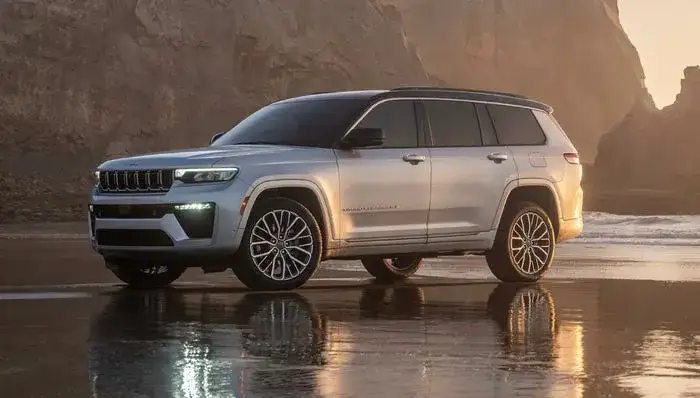
The 2025 Jeep Grand Cherokee represents a significant leap in technology integration, offering advanced driver assistance systems, sophisticated infotainment, digital displays, connected services, and safety features that enhance every aspect of driving. However, many Bowling Green area Grand Cherokee owners don’t realize these advanced systems require specific maintenance beyond traditional vehicle service. Camera calibration after repairs, regular software updates, sensor cleaning, and proper 12-volt battery maintenance all affect whether technology systems function as designed or become sources of frustration.
Understanding what care your Grand Cherokee’s advanced technology requires, why certain services matter for system operation, and how proper maintenance ensures features work reliably protects your significant technology investment while maximizing the benefits these systems provide.
If you own a 2025 Grand Cherokee in the Bowling Green area, experience technology system malfunctions, receive persistent software update notifications, or want to understand proper tech system care, this guide provides essential information.
Understanding Grand Cherokee Technology Systems
The 2025 Grand Cherokee integrates multiple advanced technology systems working together to enhance safety, convenience, and driving experience.
Driver Assistance Systems
Advanced driver assistance features include adaptive cruise control with stop-and-go capability maintaining set speed and following distance automatically, lane departure warning alerting when the vehicle drifts without signaling, lane keep assist providing gentle steering input to maintain lane position, blind spot monitoring detecting vehicles in adjacent lanes, rear cross-traffic alert warning of approaching vehicles when backing, automatic emergency braking detecting potential frontal collisions and applying brakes if needed, and parking assist with surround-view camera showing 360-degree views around the vehicle.
These systems rely on cameras, radar sensors, and ultrasonic sensors positioned around the vehicle. Proper sensor and camera function is critical for system accuracy and reliability.
Infotainment and Digital Systems
The Uconnect 5 infotainment system features a large touchscreen interface (up to 10.1 inches depending on trim), wireless Apple CarPlay and Android Auto integration, navigation with real-time traffic, connected services including remote start and vehicle status, and voice recognition for hands-free control.
The available digital instrument cluster replaces traditional gauges with a customizable 10.25-inch display showing trip information, navigation, vehicle systems, and driver assistance status.
Electrical Architecture
Modern vehicle electronics depend on stable electrical power. The 12-volt auxiliary battery powers all computers, displays, sensors, and systems when the engine isn’t running and provides stable voltage for sensitive electronics during operation.
Software manages all integrated systems with regular updates improving functionality, adding features, addressing known issues, and enhancing system integration. Updates occur through connected services when available or during service appointments.
“Advanced technology systems in the Grand Cherokee require proper maintenance just like any other vehicle component,” says David Chen, Technology Systems Specialist at our Scottsville Road location. “Customers assume technology is maintenance-free, but cameras need cleaning and calibration after repairs, software requires regular updates, sensors need inspection, and the 12-volt battery is absolutely critical for everything to function properly. We see Grand Cherokees weekly where technology problems trace directly to skipped maintenance like software updates or weak batteries. A $195 battery replacement solves problems owners thought required thousands in electronic system repairs.”
Camera System Maintenance
Multiple cameras provide driver assistance and parking assistance features requiring proper care.
Camera Locations and Functions
Forward-facing camera behind the rearview mirror provides adaptive cruise control, lane departure warning, lane keep assist, and automatic emergency braking functionality. This camera monitors road ahead, lane markings, and vehicle positions.
Front grille-mounted radar sensor works with the forward camera for adaptive cruise control and collision detection. The radar provides distance and closing speed data.
Rear-facing camera provides backup assistance and connects to parking assist systems. Surround-view cameras (if equipped) include front bumper, side mirror, and rear locations creating the 360-degree view.
Side mirror-mounted sensors provide blind spot monitoring detecting vehicles in adjacent lanes. Rear bumper sensors provide rear cross-traffic alert when backing from parking spaces.
Cleaning and Inspection
Camera lenses require regular cleaning to maintain clear images and accurate system function. Road grime, dust, rain spots, and winter salt accumulation obscure camera views causing system malfunctions or reduced performance.
Clean cameras monthly or more frequently during winter salt season and after muddy driving conditions. Use a soft microfiber cloth with water or mild glass cleaner. Avoid abrasive materials that can scratch camera lenses permanently affecting image quality.
Inspect cameras during service intervals for damage, moisture intrusion, or misalignment. Small cracks or damage to camera housings can allow moisture to enter affecting electronics and image quality.
Keep radar sensors clear of bug splatter, road debris, and snow accumulation. The front radar sensor behind the grille emblem requires airflow and clean surface for accurate operation.
Calibration Requirements
Certain repairs and services require camera system recalibration to maintain accurate operation.
Windshield replacement always requires recalibration of the forward-facing camera. Even if the camera bracket isn’t disturbed, the new windshield glass has slightly different optical properties affecting what the camera sees.
Front-end collision repairs affecting structural components, bumper covers, or grille areas may require recalibration of forward camera and radar sensor. Body repair processes can shift mounting points enough to require recalibration.
Alignment services correcting significant suspension issues may require recalibration in some cases if vehicle ride height or steering geometry changes substantially.
Calibration costs $280-420 depending on which systems require service and takes 60-90 minutes using specialized equipment and calibration targets. Skipping required calibration leaves safety systems operating with incorrect parameters potentially causing false activations or failure to activate when needed.
Software Update Importance
Regular software updates significantly improve vehicle functionality and address developing issues.
What Software Updates Provide
Software updates deliver improved system performance through refined algorithms and faster processing, new features or capabilities not present when the vehicle was built, enhanced integration between systems for smoother operation, addressed known issues identified after production, improved fuel economy through refined engine and transmission management, and enhanced connectivity features and services.
Recent Grand Cherokee updates have included adaptive cruise control behavior improvements providing more natural acceleration and deceleration, enhanced lane keep assist providing smoother steering inputs, infotainment system responsiveness improvements, navigation system enhancements, and connected services feature additions.
Update Frequency and Delivery
Updates release several times per year addressing different vehicle systems. Critical updates for safety systems receive priority distribution while convenience feature updates may occur less urgently.
Updates occur through over-the-air delivery when the vehicle has connected services enabled and strong cellular signal. The system downloads updates in the background and prompts installation when convenient.
Updates can also be installed during service appointments for vehicles without connected services or when over-the-air updates fail. Service center installation ensures all available updates are applied.
Avoiding Update Neglect
Postponing software update notifications indefinitely creates situations where systems operate with outdated programming potentially missing performance improvements or issue corrections.
Install updates when prompted or schedule installation at convenient times rather than repeatedly postponing. Most updates install in 15-30 minutes with some requiring the vehicle to be parked and in accessory mode.
Verify updates during service appointments ensuring all available updates are current. Service advisors can check for pending updates and install them during routine service.
A Grand Cherokee owner from Franklin repeatedly postponed an adaptive cruise control software update notification for three months, assuming it was minor. When they finally installed the update during an oil change, they immediately noticed significantly improved adaptive cruise control behavior with smoother acceleration matching to traffic and more natural following distance adjustment. The update they’d been avoiding for months dramatically improved daily driving comfort.
12-Volt Battery Critical Role
The 12-volt battery provides essential functions affecting all electronic systems in the Grand Cherokee.
Battery Functions in Modern Vehicles
The 12-volt battery powers all vehicle electronics, computers, displays, cameras, sensors, and infotainment systems when the engine isn’t running. It provides stable voltage for sensitive electronics during engine operation preventing voltage fluctuations that can affect system performance.
Modern vehicles with extensive electronics place demanding loads on the 12-volt battery far exceeding simple starting duty in older vehicles. Computers, displays, cameras, and sensors require constant stable power affecting how quickly batteries degrade compared to simpler vehicles.
Battery Testing and Replacement
Test the battery at every service interval (typically every oil change). Professional load testing reveals declining capacity before complete failure affects vehicle systems.
Replace batteries testing below 70% capacity proactively. While a battery at 60% capacity might still start the engine, it lacks reserve capacity for all electronic systems and may cause intermittent malfunctions in cameras, sensors, and displays.
Typical battery lifespan in Kentucky climate is 4-6 years. Extreme summer heat (temperatures reaching 90-95 degrees) accelerates battery degradation more than winter cold. Proactive replacement at 5 years prevents the unexpected failures that occur during the sixth year.
Replacement costs $185-230 for quality batteries meeting Jeep specifications. Emergency replacement after failure often costs more plus potential towing expenses if failure prevents vehicle starting.
Battery Failure Symptoms
Weak batteries cause technology system malfunctions before affecting engine starting. Symptoms include intermittent camera system malfunctions or distorted images, adaptive cruise control not engaging or disengaging unexpectedly, infotainment system resets or slow response, dashboard warning messages about electrical system, and dim interior lights or slow power accessory operation.
Many owners assume these symptoms indicate expensive electronic system failures when the actual cause is a weak 12-volt battery. The $215 battery replacement solves problems they feared would cost thousands in computer or camera system repairs.
Sensor Cleaning and Maintenance
Various sensors around the Grand Cherokee require periodic cleaning and inspection for optimal performance.
Parking Assist Sensors
Ultrasonic parking sensors in front and rear bumpers detect obstacles during parking maneuvers. These sensors require clean surfaces to transmit and receive ultrasonic signals accurately.
Clean sensors monthly during regular vehicle washing. Road grime, mud, and salt buildup can block sensor function causing false warnings or failure to detect obstacles.
Inspect for damage after parking lot incidents or curb strikes. Cracked or damaged sensors may function intermittently or not at all requiring replacement.
Rain and Light Sensors
The windshield-mounted rain sensor controls automatic wipers while the light sensor manages automatic headlights. These sensors require clean windshield areas to function properly.
Keep windshield clean particularly in the sensor area at the top center of the windshield near the rearview mirror. Apply quality glass treatment to improve water beading enhancing rain sensor performance.
Avoid aftermarket windshield tinting in sensor areas as tinting can interfere with sensor function. If tinting the windshield, ensure the installer knows sensor locations and doesn’t apply tint over them.
Connected Services and Account Management
The Grand Cherokee’s connected services provide remote functionality and convenience requiring proper account management.
Available Connected Services
Connected services include remote start allowing you to start the vehicle and precondition climate from your smartphone, vehicle finder locating your Grand Cherokee in large parking areas, vehicle status checking fuel level, tire pressure, and maintenance needs remotely, stolen vehicle assistance helping authorities locate stolen vehicles, and emergency assistance connecting to operators during emergencies.
These services require an active subscription and proper account setup. The vehicle must have cellular connectivity to communicate with your smartphone.
Maintaining Service Function
Verify account status remains current with valid payment method. Expired subscriptions prevent connected services from functioning.
Update mobile app regularly ensuring you have the latest version with newest features and performance improvements.
Test services periodically verifying remote start, vehicle finder, and other features work as expected. Testing during non-critical times identifies problems allowing correction before you actually need the services.
Infotainment System Care
The large touchscreen and sophisticated infotainment system require proper care to maintain appearance and function.
Screen Protection and Cleaning
The touchscreen requires gentle cleaning to prevent damage to the anti-glare coating and touch-sensitive surface. Use only microfiber cloths with water or screen cleaner specifically designed for touchscreens. Avoid paper towels, abrasive cloths, or harsh chemicals that can damage the screen coating.
Screen protectors designed for the Grand Cherokee’s screen size protect against scratches while maintaining touch sensitivity. Quality protectors cost $25-45 and prevent the expensive screen replacement that scratched displays eventually require.
Avoid pressing hard on the screen when making selections. The capacitive touchscreen requires only light touch to register inputs. Excessive force can damage the display over time.
System Performance Maintenance
Restart the infotainment system monthly or when performance seems sluggish. Most systems have a reset procedure (often holding power button for 10-15 seconds) that clears temporary data and improves responsiveness.
Limit stored data by periodically removing old destinations from navigation history, clearing search history, and removing unused apps or data. Excessive stored data can slow system performance.
Software updates often include infotainment performance improvements. Keep the system current with available updates.
Kentucky Climate Considerations
Bowling Green area weather creates specific technology system care considerations.
Summer Heat Protection
Kentucky summer temperatures regularly reaching 88-95 degrees create interior temperatures exceeding 130-150 degrees in parked vehicles. This extreme heat stresses electronics and displays.
Park in covered or shaded areas when possible protecting interior electronics from direct sun exposure. Windshield sunshades reduce interior temperatures by 20-30 degrees protecting dashboard electronics and displays.
Avoid leaving the vehicle parked in direct sun for extended periods during peak heat (2-6 PM) when interior temperatures reach maximum levels.
Winter Cold and Salt Impact
Winter temperatures dropping to 25-35 degrees affect battery performance and electronic system function. Cold batteries provide reduced capacity affecting electronic systems before affecting engine starting.
Winter battery testing before cold weather identifies weakening batteries requiring replacement before failure occurs during the coldest weather when you need reliable operation most.
Road salt exposure corrodes electrical connections and sensor housings. Post-winter undercarriage cleaning removes salt preventing corrosion affecting sensors and wiring. Service costs $125-175.
Schedule Your Technology Service Today
That Grand Cherokee owner from Glasgow who skipped technology system maintenance learned that advanced features require proper care for optimal operation. After the $680 service addressing neglected maintenance, their technology systems function flawlessly at 32,000 miles with regular service.
The 2025 Jeep Grand Cherokee’s advanced technology enhances safety, convenience, and driving enjoyment, but proper maintenance ensures these systems deliver the benefits they were designed to provide. Camera cleaning, software updates, battery maintenance, and sensor care all contribute to reliable technology operation.
Our certified Jeep technicians at 2209 Scottsville Road have specialized training in Grand Cherokee technology systems and maintenance requirements. We understand what advanced systems need and how to keep your Grand Cherokee’s technology operating at peak performance.
Schedule your Grand Cherokee technology service today by calling our service department or booking online at Martin Dodge Jeep Chrysler Ram, 2209 Scottsville Rd, Bowling Green, KY 42104. Whether you need software updates, camera calibration, or general technology system inspection, we’ll ensure your Grand Cherokee’s advanced features work as designed.
Proper technology system maintenance ensures reliable operation, maximizes feature benefits, and protects your investment in advanced automotive technology. That’s the value specialized care delivers.

0 comment(s) so far on How to Care for the Advanced Tech in the Jeep Grand Cherokee 2025