






Maintaining the Hybrid System in the Chrysler Pacifica Hybrid 2025
Last month, a 2024 Chrysler Pacifica Hybrid owner from Franklin assumed hybrid maintenance was identical to conventional minivans and followed generic quick-lube service schedules. After 28,000 miles, they experienced dramatically reduced electric range (dropping from 32 miles to 18 miles), noticed the gasoline engine running constantly even during short trips, and heard unusual noises from under the vehicle. Service inspection revealed the hybrid battery cooling system filter was completely clogged restricting airflow and causing battery overheating, brake fluid had never been changed despite hybrid-specific requirements creating moisture contamination, the 12-volt auxiliary battery was failing affecting hybrid system efficiency, and they’d been using conventional oil instead of the required hybrid-specification synthetic. The comprehensive catch-up service cost $725. The hybrid-specific maintenance they should have received? Approximately $480 spread across proper intervals, and their electric range would still be optimal.
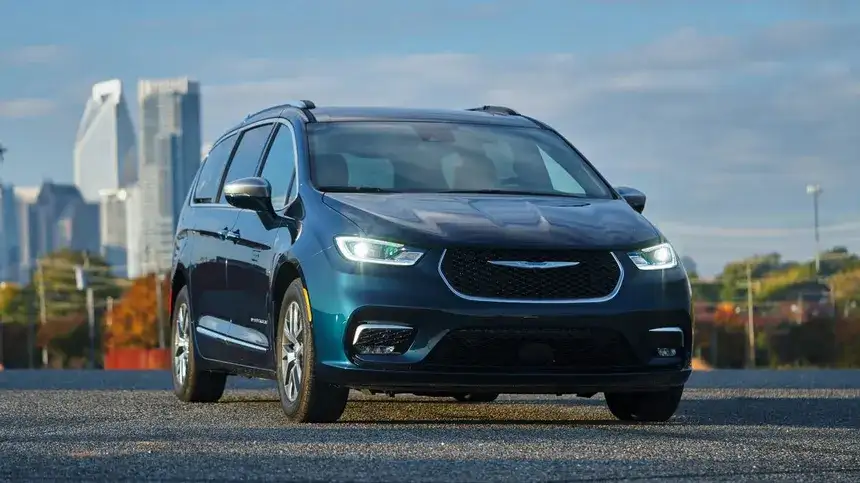
The 2025 Chrysler Pacifica Hybrid represents the most advanced family transportation available, combining minivan versatility with impressive electric range and reduced fuel costs. However, many Bowling Green area Pacifica Hybrid owners don’t understand that hybrid vehicles require specific maintenance different from conventional vehicles. While hybrids eliminate or extend some traditional services, they introduce unique requirements including hybrid battery cooling system care, brake system service adapted for regenerative braking, specific fluid requirements, and attention to the 12-volt auxiliary battery critical for hybrid system operation.
Understanding what maintenance your Pacifica Hybrid actually requires, why certain services matter specifically for hybrid operation, and how proper care maximizes electric range and system longevity ensures you get the full benefit of hybrid ownership while avoiding the expensive problems that neglect causes.
If you own a Pacifica Hybrid in the Bowling Green area, have noticed declining electric range, experience hybrid system warning lights, or want to understand proper hybrid maintenance, this guide provides essential information.
What Makes Pacifica Hybrid Maintenance Different
The Pacifica Hybrid eliminates, extends, or modifies several conventional maintenance items while introducing hybrid-specific requirements.
Services the Pacifica Hybrid Changes
Brake pads last dramatically longer on hybrids thanks to regenerative braking. The system captures energy during deceleration using the electric motor as a generator, reducing conventional brake use by approximately 60-70%. Front brake pads typically last 70,000-100,000 miles versus 30,000-45,000 miles on conventional Pacifica models. Rear brake pads often exceed 100,000 miles with proper maintenance.
Despite extended brake life, brake fluid service becomes more critical. The fluid should be replaced every 24,000 miles or 24 months because reduced brake use means less heat generation that normally helps evaporate moisture. Moisture accumulates faster in hybrid brake systems, reducing boiling point and causing corrosion in hydraulic components.
Oil change intervals remain at manufacturer specifications (10,000 miles or 12 months), but the specific oil requirements differ. The Pacifica Hybrid requires 0W-20 full synthetic oil meeting specific Stellantis hybrid specifications. Using conventional oil or wrong-specification synthetic reduces efficiency and can affect hybrid system integration.
Hybrid-Specific Services
Hybrid battery cooling system filter replacement occurs every 30,000 miles. This separate filter (different from cabin and engine air filters) ensures clean airflow to the hybrid battery cooling system mounted under the vehicle. Restricted airflow causes battery overheating, reducing electric range, limiting charging capability, and accelerating battery degradation. Service costs $55-75.
12-volt auxiliary battery service requires more frequent attention. The small 12-volt battery powers vehicle systems and enables the hybrid system to activate. These batteries face demanding duty cycles in hybrids and typically last 4-5 years versus 5-6 years in conventional vehicles. Testing at every service interval identifies weakening batteries before failure. Replacement costs $175-220.
Hybrid system inspection during regular service verifies proper battery function, checks high-voltage connections, monitors hybrid system operation, and scans for stored diagnostic codes. This inspection is typically included in routine service visits at no additional cost.
Hybrid transmission fluid service at 60,000 miles maintains the specialized transmission designed for hybrid operation. The Pacifica Hybrid uses an eFlite electrically variable transmission requiring specific fluid. Service costs $320-420.
“Pacifica Hybrid owners who understand hybrid-specific maintenance consistently achieve EPA-rated electric range or better and have zero unexpected hybrid system issues,” says Jennifer Martinez, Hybrid Systems Specialist at our Scottsville Road location. “Those who treat it like a conventional minivan see electric range decline by 30-40%, experience premature component failures, and develop expensive problems from skipped hybrid-specific services. The hybrid battery cooling filter costs $65 every 30,000 miles, but neglecting it can reduce electric range by 10-15 miles and accelerate battery degradation potentially costing thousands. Proper hybrid maintenance isn’t complicated or expensive; it just requires understanding what’s different from conventional vehicles and following the schedule.”
2025 Pacifica Hybrid Maintenance Schedule
Understanding the actual service requirements eliminates confusion about what’s necessary versus optional.
Every 10,000 Miles or 12 Months
Oil and filter change using 0W-20 full synthetic oil meeting Stellantis hybrid specifications. The 3.6-liter V6 engine combined with the hybrid system requires approximately 5.9 quarts. Using proper hybrid-specification oil maintains optimal efficiency and ensures proper hybrid system integration. Service costs $85-110.
Tire rotation ensures even wear despite the regenerative braking system reducing brake-related tire scrubbing. The Pacifica Hybrid’s substantial curb weight (approaching 5,000 pounds fully loaded with seven passengers and cargo) creates significant tire loading. Regular rotation maximizes tire life and maintains balanced handling. Service costs $60-75.
Multi-point inspection including hybrid system status check, 12-volt battery test, brake system inspection, tire condition assessment, fluid level verification, and charging port inspection catches developing issues early. The inspection includes verification that the hybrid battery cooling system is functioning properly.
Every 20,000 Miles
Cabin air filter replacement maintains HVAC efficiency and interior air quality. Clean airflow is particularly important in minivans where seven passengers create greater air quality demands and climate control system strain. Service costs $45-60.
Engine air filter replacement ensures unrestricted airflow for optimal efficiency when the gasoline engine operates. Clean intake air is particularly important for hybrids where the engine management system carefully balances efficiency between electric and gasoline power. Service costs $45-60.
Every 24,000 Miles or 24 Months
Brake fluid replacement removes accumulated moisture maintaining proper boiling point and preventing corrosion. This service is more critical for hybrids than conventional vehicles due to reduced brake heat and accelerated moisture accumulation. For a vehicle regularly carrying seven passengers and cargo, proper brake fluid is essential for safe stopping. Service costs $180-220.
Every 30,000 Miles
Hybrid battery cooling system filter replacement maintains proper cooling airflow to the battery pack mounted under the vehicle. This filter prevents dust, debris, and road contaminants from entering the battery cooling system. Clogged filters cause battery overheating, reduced electric range, limited charging capability, and accelerated degradation. Service costs $55-75.
Rear differential fluid service (if equipped with all-wheel drive) maintains proper lubrication. Service costs $165-195.
Every 60,000 Miles
Spark plug replacement with OEM-quality plugs maintains optimal combustion efficiency. Despite the engine running less than in conventional vehicles due to electric assist, proper spark plugs ensure maximum efficiency when the engine does operate. Service costs $220-320.
Hybrid transmission (eFlite) fluid service maintains shift quality and transmission longevity in the specialized electrically variable transmission. Service costs $320-420.
Coolant system service replaces engine coolant maintaining proper temperature control and corrosion protection. Note that hybrid battery cooling uses a separate system with different service requirements. Service costs $180-230.
Understanding the Pacifica Hybrid Battery
The 16 kWh lithium-ion battery pack generates questions and concerns from Pacifica Hybrid owners.
Battery Design and Function
The Pacifica Hybrid uses a 16 kWh lithium-ion battery pack mounted under the vehicle floor between the axles. This location provides protection from road hazards while maintaining low center of gravity for handling. The battery stores energy captured during regenerative braking and provides power for electric-only driving up to 32 miles on a full charge.
The battery management system carefully controls charging and discharging to maximize battery longevity. The system maintains battery state of charge within optimal ranges, never fully depleting or completely overcharging the battery. This management strategy extends lifespan dramatically compared to full charge-discharge cycles.
Battery Longevity Reality
The hybrid battery carries a 10-year/100,000-mile warranty reflecting Chrysler’s confidence in battery durability. Real-world data from early Pacifica Hybrid models shows batteries routinely exceeding 100,000 miles with minimal degradation in electric range capability.
While electric range may decline slightly over extreme mileage (perhaps 3-5 miles after 100,000+ miles), catastrophic battery failure requiring replacement is rare with proper maintenance. The battery cooling system maintenance prevents the overheating that causes premature battery degradation.
Battery Cooling System Care
The battery cooling system filter replacement every 30,000 miles represents the primary battery maintenance requirement. This filter is located under the vehicle and captures road debris, dust, and contaminants before they enter the battery cooling system. Unlike cabin or engine air filters located in the engine bay, this filter faces direct exposure to road conditions.
Keep the battery cooling intake area clear of excessive mud, snow, or debris buildup. While the filter protects the system, extreme accumulation of road grime can restrict airflow even with a clean filter. Undercarriage cleaning after winter road salt exposure or muddy conditions helps maintain optimal cooling system function.
Monitor for unusual battery cooling fan noise which may indicate restricted airflow from a clogged filter or blocked intake requiring service attention. The cooling system fans are located under the vehicle and may be more audible during charging or after sustained electric driving.
Brake System Care for Hybrids
The regenerative braking system creates unique brake maintenance considerations that differ from conventional vehicles.
Extended Brake Life
Regenerative braking uses the electric motor as a generator during deceleration, converting kinetic energy to electricity stored in the battery. This process provides the majority of stopping force during normal braking, dramatically reducing conventional brake pad wear.
Front brake pads typically last 70,000-100,000 miles compared to 30,000-45,000 miles on conventional Pacifica models. Rear brake pads often last even longer, sometimes exceeding 120,000 miles. This extended life represents significant savings over the vehicle’s lifetime.
Brake Fluid Service Critical Importance
Despite reduced brake pad wear, brake fluid service every 24,000 miles or 24 months is essential. Brake fluid absorbs moisture over time through the hygroscopic effect, lowering boiling point and causing corrosion in brake system components.
Hybrids require more vigilant brake fluid service because reduced brake use means less heat generation. Conventional vehicles generate significant brake heat during normal use, which helps evaporate moisture from brake fluid. Without this heat, moisture accumulates faster in hybrid brake systems, making regular fluid replacement even more important for maintaining safe braking performance.
Brake Caliper Maintenance
Reduced brake use can cause caliper slide pins and piston seals to corrode or bind from inactivity. The calipers may sit for extended periods without significant movement, allowing corrosion to develop on slide pins and moisture to affect seals.
Annual brake caliper inspection and lubrication prevents binding that causes uneven pad wear and reduced braking effectiveness. Service costs $150-200 per axle when needed and prevents the seized calipers that require $300-450 per caliper replacement.
Watch for uneven brake pad wear, pulling during braking, or unusual noises suggesting caliper binding requiring service attention. These symptoms are less common in hybrids due to reduced brake use but can occur from inactivity-related corrosion.
A nurse from Franklin reached 85,000 miles on their Pacifica Hybrid’s original front brake pads (still measuring 6mm thickness with plenty of life remaining) but experienced braking vibration and slight pulling to one side. Inspection revealed a seized caliper slide pin that hadn’t moved enough to wear through the lubrication, allowing corrosion to develop in the extended period between brake applications. Proper caliper service solved the problem immediately, but annual inspection would have prevented the issue before it affected braking performance and passenger comfort.
12-Volt Auxiliary Battery Critical Role
The small 12-volt battery serves essential functions in the Pacifica Hybrid different from conventional vehicles.
Battery Function in Hybrid Systems
The 12-volt battery powers all vehicle electronics, computers, infotainment systems, and displays when the hybrid system is off. It provides the initial power to boot the hybrid system computers, close the high-voltage contactors connecting the main battery, and essentially “start” the hybrid system enabling operation.
Unlike conventional vehicles where the 12-volt battery primarily cranks a starter motor briefly during starting, hybrid 12-volt batteries power computers, displays, and systems continuously whenever the vehicle is in accessory or ready mode. This creates different duty cycles and stress patterns compared to conventional vehicle batteries.
Shorter Lifespan in Hybrid Applications
Due to constant use powering vehicle systems, 12-volt batteries in hybrids typically last 4-5 years versus 5-6 years in conventional vehicles. The smaller physical size of hybrid 12-volt batteries (to save weight and space for the high-voltage battery system) also contributes to shorter lifespan.
Regular testing during service appointments identifies weakening batteries before complete failure. Testing reveals declining capacity allowing proactive replacement before the battery affects hybrid system operation.
Proactive replacement costs $175-220. Emergency replacement after failure can cost significantly more plus potential towing expenses if the failure prevents hybrid system activation.
Failure Symptoms and Prevention
A weak or failing 12-volt battery prevents the hybrid system from activating. The vehicle won’t enter “ready” mode even though the high-voltage hybrid battery shows full charge on the dashboard display. Warning messages about hybrid system malfunction or electrical system problems often indicate 12-volt battery issues rather than high-voltage battery problems.
Increased vampire drain with the battery depleting when the vehicle sits unused for several days suggests 12-volt battery weakness. If the hybrid system won’t activate after sitting for a week, have the 12-volt battery tested immediately.
Dim interior lights or slow power accessory operation when first entering the vehicle before starting suggests declining 12-volt battery capacity requiring testing and likely replacement.
Kentucky Weather Considerations
Bowling Green area weather creates specific hybrid maintenance considerations and usage patterns.
Summer Heat Impact
Kentucky summer temperatures regularly reaching 88-95 degrees with high humidity create stress on hybrid battery thermal management systems. The battery cooling system must work efficiently to maintain optimal battery temperatures during charging and operation.
Parking in covered or shaded areas whenever possible reduces direct solar heating of the underbody where the battery is mounted. While the battery has thermal protection, minimizing heat exposure extends battery life and maintains charging capability.
Battery cooling system maintenance before summer ensures the system is ready for demanding hot weather operation. Spring service verifying the cooling filter is clean prevents range loss or charging limitations from thermal protection measures activating during extreme heat.
Winter Cold Weather Performance
Kentucky winters with temperatures dropping to 25-35 degrees affect hybrid battery efficiency and electric range. Expect electric range to decline by 20-35% during cold weather from battery heating requirements, cabin heating demand using battery power, and reduced battery efficiency at low temperatures.
Battery preconditioning when plugged in before departure warms the battery using grid power rather than battery capacity. This preserves range for driving. The Pacifica Hybrid automatically preconditions the battery when departure time is set through the Uconnect system, ensuring optimal range for your morning commute.
Cabin preheating while plugged in uses grid power to warm the interior, preserving battery capacity for driving range rather than climate control during the trip.
Road Salt Exposure
Kentucky winter road salt doesn’t directly affect the sealed hybrid battery, but accelerates corrosion on brake components, suspension parts, and underbody areas including the battery cooling system intake. Annual post-winter undercarriage cleaning removes salt accumulation preventing rust and maintaining proper cooling system airflow. Service costs $125-175 and provides significant long-term protection.
Maximizing Electric Range
Proper driving techniques and maintenance maximize the Pacifica Hybrid’s impressive electric range.
Gentle Acceleration and Braking
Smooth, progressive acceleration allows the hybrid system to use battery power efficiently. Aggressive acceleration depletes battery charge faster and may trigger the gasoline engine even when battery charge would normally support electric-only operation.
Early, gentle braking maximizes regenerative energy capture. Anticipate stops and begin slowing early, allowing the regenerative system to capture maximum energy before conventional brakes engage. The dashboard display shows regenerative braking activity, helping you optimize technique.
Eco Mode Usage
Eco mode adjusts throttle response, climate control intensity, and power distribution for maximum efficiency. While acceleration feels less responsive, the mode provides measurable electric range improvements, typically 3-5 miles in normal driving conditions.
The mode also adjusts climate control to reduce power consumption. In extreme weather, the slightly reduced heating or cooling intensity is barely noticeable but preserves several miles of electric range.
Maintenance Impact on Electric Range
Proper maintenance directly affects electric range. Clean hybrid battery cooling system allows optimal battery performance, maintaining full capacity and efficient operation. Clogged cooling filters cause elevated battery temperatures triggering protective measures that limit performance and charging capability.
Proper tire pressure maintains efficiency. Every 5 PSI below specification reduces electric range by approximately 2-3 miles. Monthly pressure checks preserve the hybrid’s range advantage.
Smooth-operating brake calipers from regular service eliminate parasitic drag. Binding calipers create constant brake contact reducing efficiency and range while accelerating component wear unnecessarily.
Charging System Maintenance
While minimal, the charging system requires occasional attention for optimal performance.
The charging port should be inspected during regular service for damage, debris, or corrosion. Keep the port cover closed when not charging to prevent contamination. Wipe the port area clean periodically to prevent dust accumulation.
Charging cable inspection for damage to insulation, connectors, or strain relief points should occur monthly. Damaged cables present safety hazards and should be replaced immediately.
Home charging station maintenance follows manufacturer recommendations. Most Level 2 home chargers require no regular maintenance beyond keeping the unit clean and verifying proper indicator light function.
Schedule Your Pacifica Hybrid Service Today
That Pacifica Hybrid owner from Franklin who followed conventional maintenance learned that hybrids require specific care for optimal performance. After the $725 catch-up service addressing multiple neglected hybrid-specific items, they now follow proper hybrid maintenance schedules and their Pacifica Hybrid consistently achieves 31-32 miles of electric range with zero unexpected issues at 52,000 miles.
The Chrysler Pacifica Hybrid delivers exceptional capability combining minivan versatility with impressive electric range and reduced fuel costs. Maintaining these benefits requires understanding hybrid-specific maintenance needs. The services aren’t complicated or excessive, but they differ from conventional vehicles in important ways.
Our certified Chrysler hybrid technicians at 2209 Scottsville Road have specialized training in Pacifica Hybrid systems and maintenance requirements. We understand what hybrid vehicles need and how to keep your Pacifica Hybrid operating at peak efficiency and maximum electric range.
Schedule your Pacifica Hybrid maintenance today by calling our service department or booking online at Martin Dodge Jeep Chrysler Ram, 2209 Scottsville Rd, Bowling Green, KY 42104. Whether you need routine service or have questions about hybrid care, we’ll ensure your Pacifica Hybrid receives the attention it needs.
Proper hybrid maintenance maximizes electric range, ensures reliable operation, and protects your investment in advanced family transportation. That’s the value hybrid-specific service delivers.

0 comment(s) so far on Maintaining the Hybrid System in the Chrysler Pacifica Hybrid 2025